Encounter God’s Mercy
Guiding your child to understand God’s mercy and receive His forgiveness with confidence and peace.
First Reconcilation
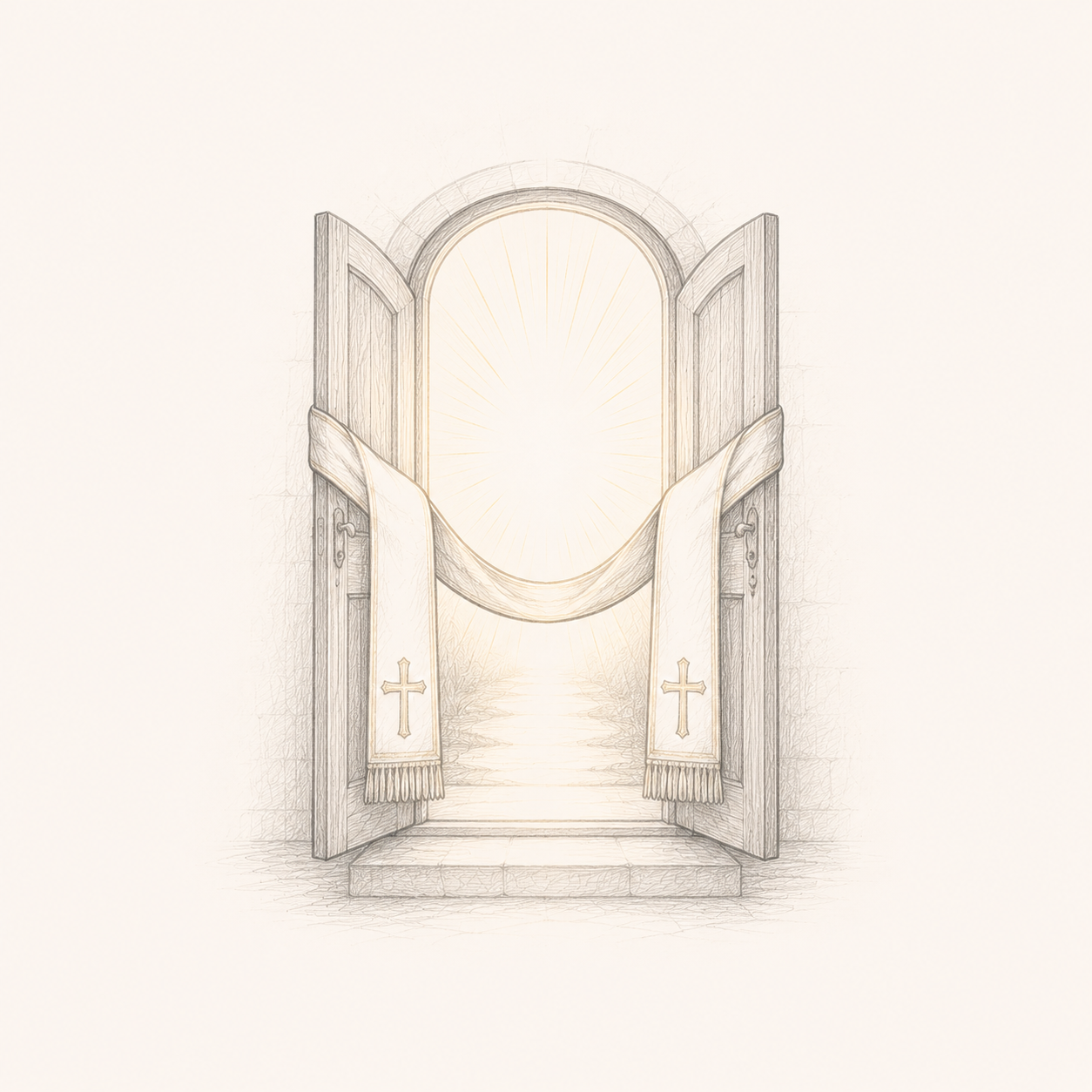
First Reconciliation is a beautiful moment in your child’s faith journey, where they begin to understand God’s mercy in a personal and meaningful way. It is often their first experience of receiving forgiveness and learning how much they are loved by God.
Through thoughtful formation and your support as parents, children are guided to approach this sacrament with confidence, understanding, and peace.
Your Questions, Answered.
-
First Reconciliation (Confession) is the sacrament where we receive God’s mercy and forgiveness for our sins.
For youth, First Reconciliation is part of a two-year Christian Formation process toward their First Holy Communion.
-
The sacrament of First Reconciliation comes in the second year of a two-year journey of faith formation. It is typically held in January or February before the child receives First Holy Communion in May.
-
Yes. Children must be enrolled in Christian Formation to properly prepare for the sacrament and grow in their understanding of God’s mercy and love.
The sacrament occurs in the second year of a two-year journey toward First Holy Communion.
Children will learn:
God’s love and mercy
The difference between right and wrong
How to examine their conscience
How to participate in the Sacrament of Reconciliation
-
Yes. A child must be baptized before receiving First Reconciliation. Turning in your child’s Baptismal Certificate to the Christian Formation office is required before receiving the sacrament.
-
Yes. You will be required to turn in a baptismal certificate showing your child’s name, date of birth, place of baptism, and the officiant.
Please have the name, address, and country of your child's church of baptism available. The parish of baptism is the official keeper of all sacramental records and will need to be contacted as part of your child's sacramental preparation.
Please note that a birth certificate – while it is a government document – is not a religious sacrament record.
-
Parents are the primary educators of their children in the faith. You are asked to:
Support your child’s preparation
Attend the “Forgiven and Renewed” workshop in November
Encourage prayer and conversation about God’s mercy at home
Model going to Confession – showing your children the importance of God’s mercy.
Submit your child’s baptismal certificate to the Christian Formation office
-
This is very common. We prepare children carefully so they understand at their level what to expect and feel at ease.
Priests are patient and understanding, and the experience is meant to be one of peace, not fear.
However, if your child is not ready when their First Reconciliation is scheduled, they may choose to go independently when they are ready. In those cases, they may attend Confession on Saturdays after 8:30 a.m. mass, or from 3:30 p.m. to 4:45 p.m. Simply let the Christian Formation office know once it is completed.
-
Forgiven and Renewed is a special experience for parents as their child prepares for First Reconciliation. It is not just an informational session. It is an opportunity to personally reflect on God’s mercy, walk through the meaning of the sacrament, and reconnect with the grace of Confession in your own life.
-
Forgiven and Renewed is something everyone should experience. We ask that you make every effort to attend.
If you are unable to attend, please contact the Christian Formation Office, so we can help you complete this part of the process.
-
If your family is unable to attend your assigned First Reconciliation, your child may receive First Reconciliation individually during normal offerings:
Saturdays after the 8:30 a.m. Mass
Saturdays from 3:30–4:45 p.m.
Upon completion, simply notify the Christian Formation office with the date and time and name of the child.
-
First Reconciliation is an important step toward First Holy Communion. It also begins a lifelong practice of returning to God’s mercy through the sacrament.
The Church encourages regular participation in Confession. Even at a young age, children can begin forming the habit of returning to God’s mercy regularly.
-
The Church teaches that anyone conscious of grave sin must receive the Sacrament of Reconciliation before receiving Holy Communion (CCC 1385). For this reason, children are prepared for and receive First Reconciliation before First Holy Communion.
However, if a child has been recently baptized and has not committed personal sin, they are already in a state of grace and may not need to receive Reconciliation beforehand.
Even so, newly baptized children will still participate in preparation for First Reconciliation so they understand God’s mercy and learn how to receive this sacrament as part of their life of faith.
-
No. Baptism washes away all sin, so a newly baptized child does not need to go to Confession immediately after Baptism.
However, a person should go to Confession when they become aware of sin in their life and desire God’s forgiveness and grace. Therefore, we still prepare children to receive the sacrament of First Reconciliation so they are ready when the time is appropriate for them to go to Confession.